
Great
a simple vocab word that changed my entire perspective on making art.

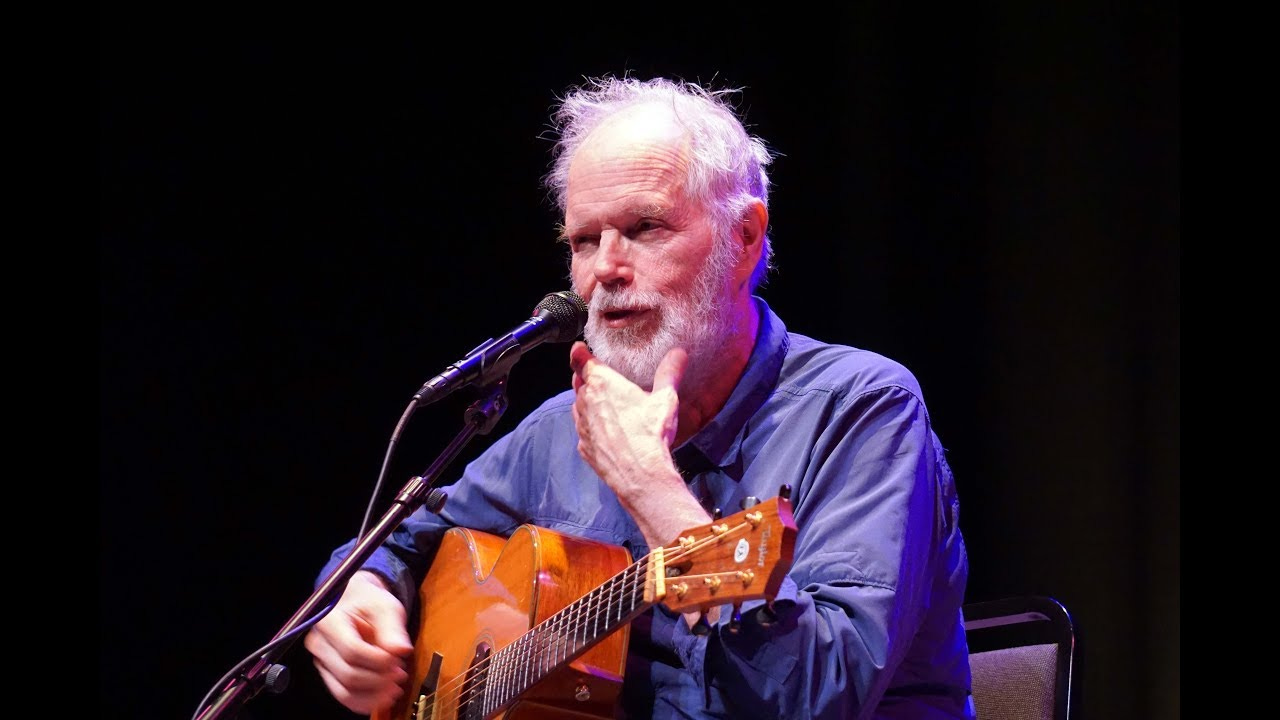
A few years ago, my husband and I took my parents out to the Chautauqua Auditorium to see a concert of two virtuosic geniuses on the guitar. The opening act was the brilliant Julian Lage, who put me into a state of sublimity with his acoustic machinations the likes of which I’ve never witnessed (and I’ve known excellent guitarists my whole life). He was great, but then the headliner strolled out and blew everyone’s mind right out of their ears. He was the utter acoustic guitar genius that is Leo Kottke.
If you’re not fortunate enough to have heard Kottke’s music before, or to have seen him live, I’ll leave that up to you to correct. Suffice to say that he’s a phenomenal musician and a storyteller with the driest wryest tone of humor, which put together, makes for a fantastic night of mind-calming entertainment. Little did I know, though, that one little thing he said would rock the trajectory of my life (and that of my life partner). Here’s how it went down:
It began when Kottke started a fresh song. He played for a couple seconds, then stopped, said, ‘Hmm. That’s not working quite right, is it? Let’s try that again.’ And then he restarted the song. As his take two proceeded, he murmured with his soft genial voice, ‘That’s more like it.’ And then finished the song. Now this amazing quiet moment of grace and genius made my and my husband’s jaw hit the floor, which we discussed together later over red wine in plastic cups at intermission. ‘Wait, what? You can…you can just DO that??’ we exclaimed.
That was one of two creativity-shattering moments for us, though. The other was an anecdote he told, in his soft-spoken, folksy way, as he intricately strummed and restrung and retuned his instrument. It was unclear to us if this story was a personal observation or a story made from an oral tale passed down, but it felt real regardless. This story took place in the roughest part of town in Minneapolis, as Kottke was just getting his start in the music biz, playing little venues and being broke and such. He related that the powers that be had just enacted something called ‘daylight laws’ which restricted many things on the streets, including the public display of affection. So young Kottke is walking along the street on his way to or from a venue, and he sees a couple kissing against a wall. Then a police officer comes up and puts the couple at gunpoint, as per the ‘daylight laws.’ At this effrontery, the kissing guy proceeds to grab the gun out of the policeman’s hand, and beat him in the head with it.
Kottke’s response to this scene? ‘Great!’
This of course made the hundreds of mellow audience members burst into laughter. But then he explained why he reacted with ‘Great!’: This is a place where it’s okay to mess up. If I make a mistake here, it’ll be okay. Great!
That repetition of the soft-spoken exclamation of ‘Great!’ reverberated through the rest of the evening. And it has popped up many many times in the years since, but it has especially bounced about and amid us hard this year. It has become our mantra and our motto for 2026.
‘Great!’
Not About Frosted Flakes
This week I just concluded teaching a creativity class at the University of Denver, where I’ve been adjuncting since the early aughts. Creativity & Innovation, it’s called. It goes over some brain/neuroscience theory when it comes to creative thinking, and traces creative practices and ideas across different fields (not just artistic ones, but business and science too). It’s a class mainly meant for the Leadership and other business-centered majors in that Professional Studies department. And, though I do receive too much ‘student’ work that’s obviously made by AI, it does feed my inquisitive mind in a few ways too. Though it would be a lot more fun for me if I were ever allowed to create my own class materials anymore…
But some things I’ve been contemplating as this course curriculum swirls around me (and as I prep for an upcoming Art Interpretation course) are adding up to an interesting series of questions. What does it mean to experiment, to think outside the box? I mean really truly and in practice? What does trial and error work do to the ego? Can you have a massive ego and still innovate? If you can’t fit failure into your self-narrative, can you be an innovator, a creator? And also:
What level of trained artist do you have to be in order to get away with Kottke’s restart, or his ‘great!’? Or am I asking the wrong question? Is that the point?
I’ve written about this concept before a few times, most notably in my re-published article about a very important step in creative endeavors: the Fuck It Moment™:
And so. Our word and theme and motto for 2026 has been just this: Great! and it’s been a welcome echo and a good reminder, more than once as the year goes forward, enough that I’ve kind of made it into a sort of combination of New Year’s resolution and Lent-ish type thing. Lots of changes and tectonic life shifts, and we’ve begun to react to each one with that soft upturned tone at each: ‘great!’
Virtuoso Leo Kottke gave us all permission with that one word. He gave us permission to try, fail, and try again as a means of productive progress. Of innovation. Of Creativity.
How great!
Any fuck it moment with a purpose is just well, you know.